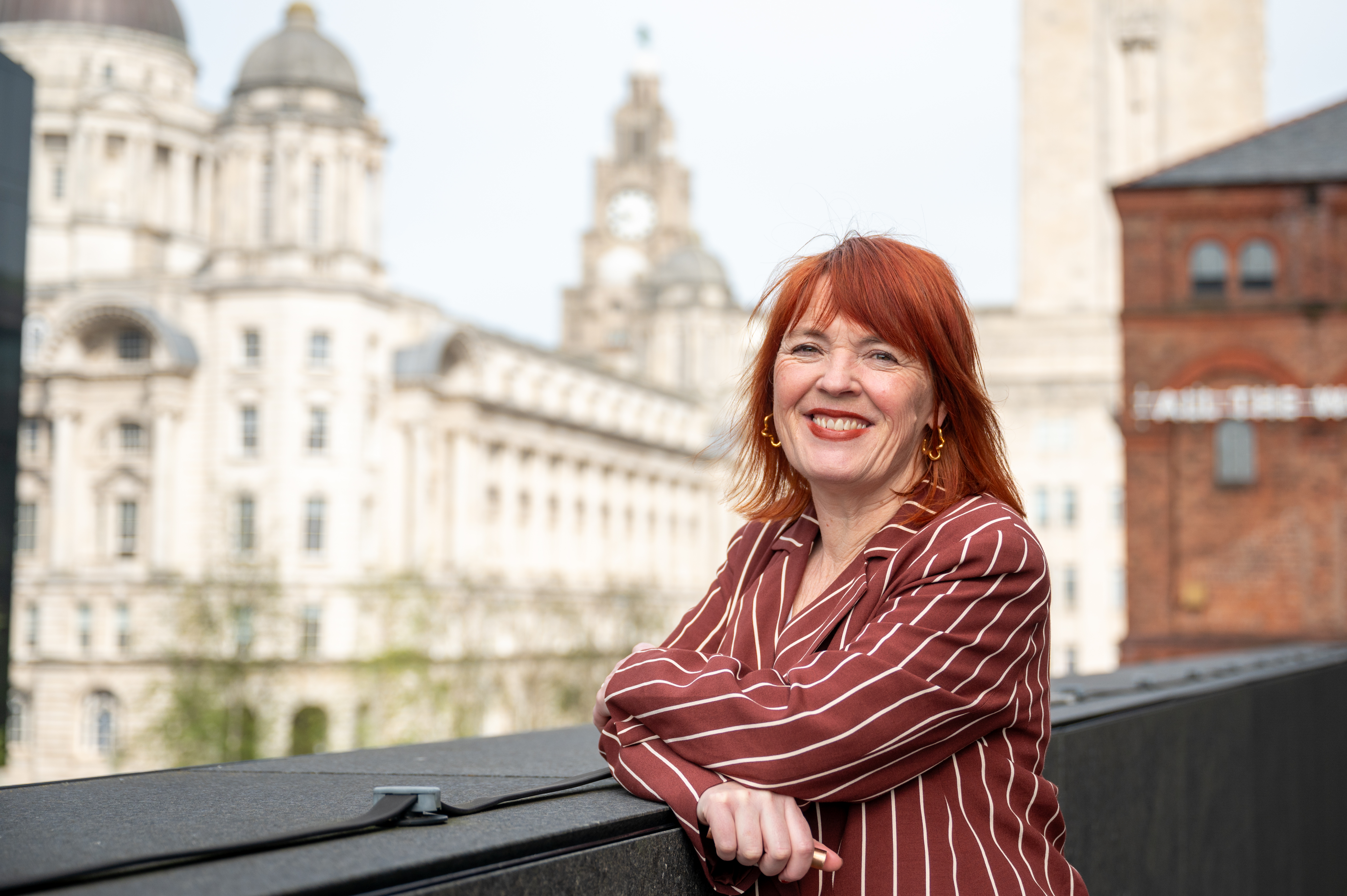
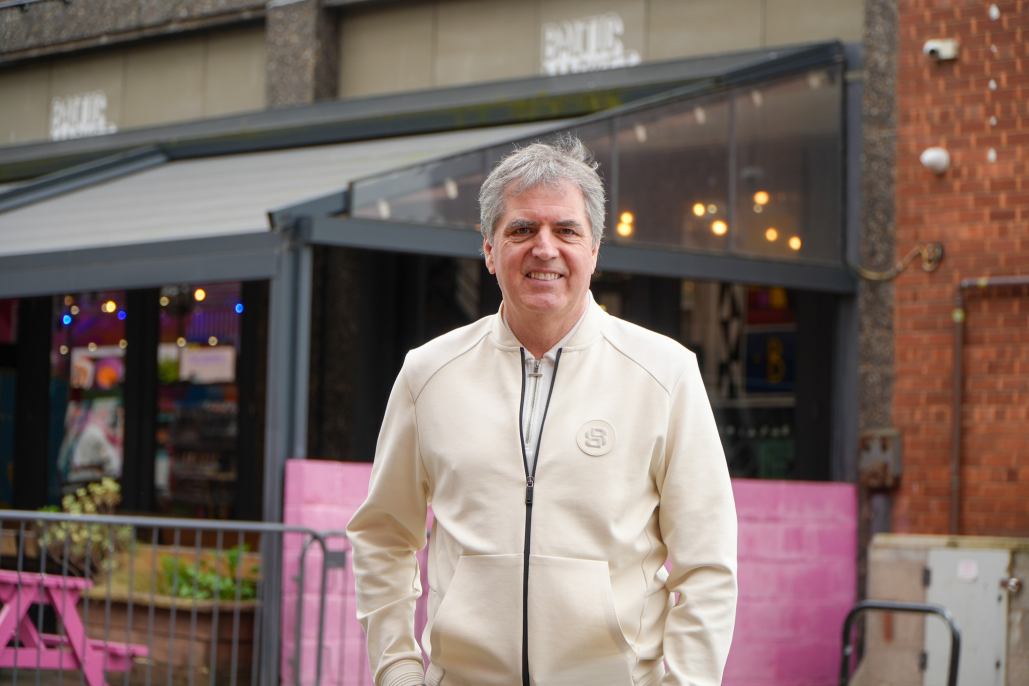
Following the publication of the Liverpool City Region Music Economy report, Mayor Steve Rotheram explains why it feels like recognition of something people here have always known.
Last week, it was revealed that the Liverpool City Region is on course to become the first city region in the country to build a billion-pound music economy.
For anyone who knows this place, that headline feels less like news and more like confirmation.
Because music has never simply been something we consume here. It has helped define who we are.
Long before economic reports measured contribution or employment figures counted creative jobs, music was woven into everyday life across our communities. Its influence can be traced back generations.
In the early 1950s, Liverpool-born singer Lita Roza made history when How Much Is That Doggie in the Window? became the first UK number one single recorded by a British female artist. It may have been a novelty hit, but it signalled something bigger: Liverpool talent had the power to shape national culture.
At the same time, the city’s identity was being shaped by influences from across the world. Sailors returned from voyages carrying records, instruments and stories home with them. Sea shanties, American rhythm and blues, and sounds from overseas found their way into local communities, helping create a musical culture unlike anywhere else in Britain.
Then came the decade that changed everything.
The 1960s saw Merseybeat erupt from local venues onto the world stage. Liverpool became the epicentre of the global music conversation.
The Beatles became the defining band of a generation. Gerry and the Pacemakers gave us Ferry Cross the Mersey, capturing the spirit of the city in song. Cilla Black emerged as one of Britain’s biggest stars. Later, artists including Elvis Costello carried forward Liverpool’s tradition of producing voices that travelled far beyond the banks of our mighty river.
But music here has never belonged only to stages and studios.
Fans turned football terraces into choirs. On the Kop and at Goodison Park, supporters created a culture of singing that became famous worldwide. Music and identity merged into something uniquely Liverpudlian.
By the 1970s and 80s, the region was once again redefining British music.
The Real Thing became one of the country’s most successful Black British groups, opening doors and producing songs that remain part of the national soundtrack. Frankie Goes to Hollywood dominated international charts with an unmistakable Liverpool attitude. Echo and the Bunnymen, A Teardrop Explodes, Orchestral Manoeuvres in the Dark, The Mighty Wah, The Christians, China Crisis, the Lightening Seeds, The Coral, Cast, Space, The Farm and Atomic Kitten carried that spirit into a new era.
And that story is still being written.
Today, Liverpool City Region’s music sector contributes £780 million to the local economy and supports around 15,000 jobs.
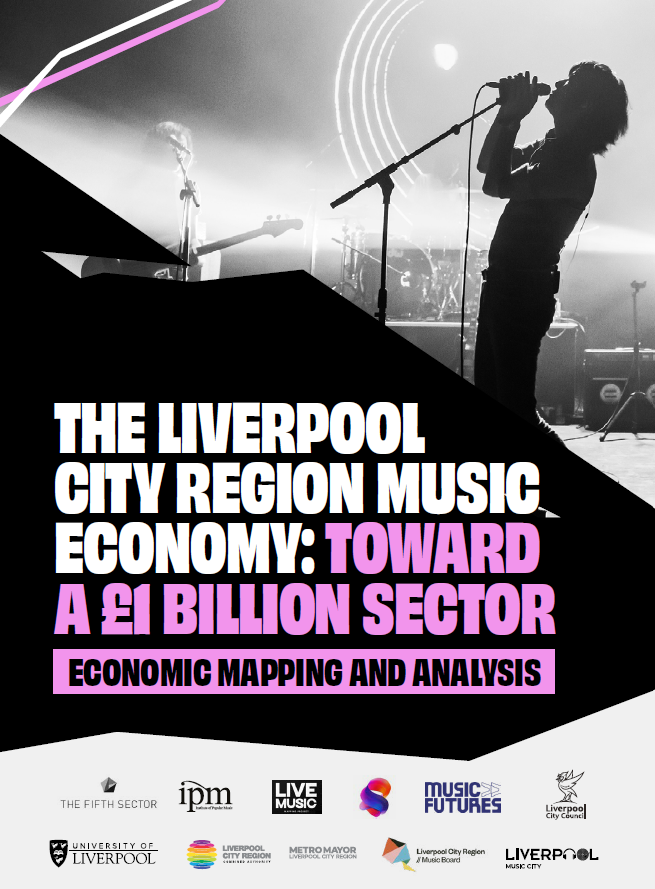
The region now has more than twice the concentration of music businesses, venues and specialist talent compared with the average UK city.
Our area also became the first place outside London to establish a dedicated Music Board in 2018, backed by £2.2 million of investment to strengthen the sector and support growth.
That ambition continues through MusicFutures, launched with £7 million of investment in partnership with the University of Liverpool, and through the Northern Music Export Office, we’re helping develop talent pipelines and connect local artists with global opportunities.
This is the latest chapter in a story that began generations ago but still flourished today (check out scouse playlists on Spotify).
A billion-pound music economy is recognition of something people here have always known.
Music isn’t just part of our story. It is produced and engineered – in our DNA.