- New report published by the Social Mobility Commission praises work of Liverpool City Region and its action to increase access to opportunity across region
- “Regional Insights: Creating fairer chances across the regions” demonstrates the potential impact of a place-based approach to social mobility; empowering local governments with decisions that affect their communities
- From transport to T-levels, the Commission’s findings suggest that locally led initiatives focused on four high-potential themes could improve social mobility outcomes for many
A new report published today by the Social Mobility Commission outlines how the Liverpool City Region is making strides to address the social mobility challenges facing the UK by partnering with local people, employers and institutions to improve access to opportunity in the region. In Liverpool, education pathways have been introduced to better align secondary education with local jobs, and travel infrastructure has been upgraded, allowing improved access from nearby towns to city hubs.
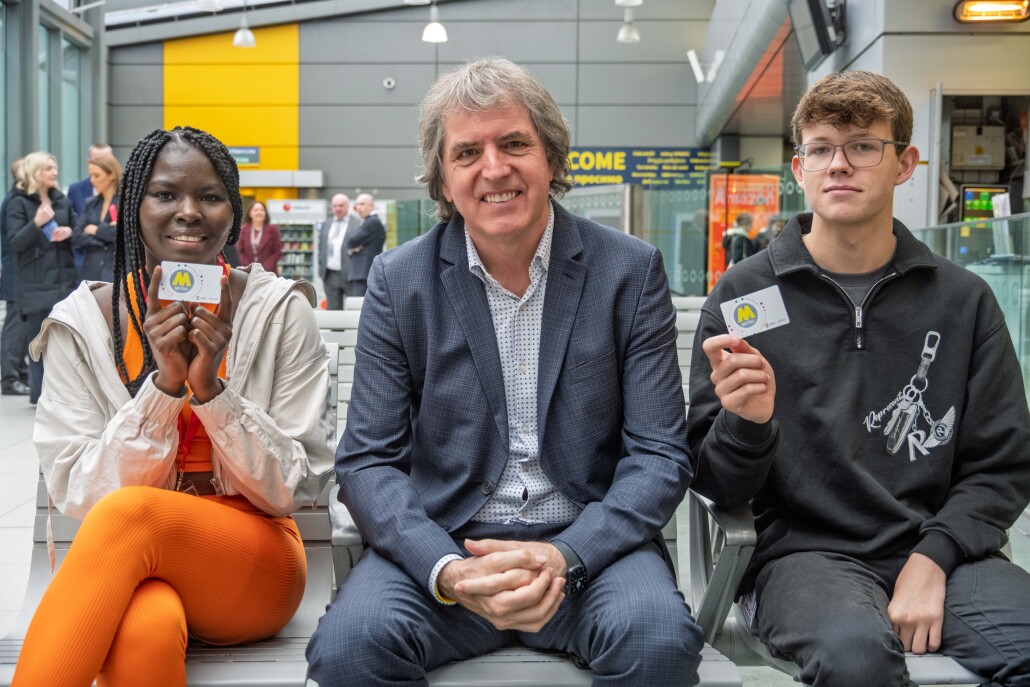
Mayor Steve Rotheram gives young care leavers their travel cards at Central Station.
The report, “Regional Insights: Creating fairer chances across the regions”, demonstrates how practical, locally-led decisions can help to unlock opportunity for millions of people across the UK. The findings draw on a year of roundtables with local leaders from multiple sectors and regions, visits to projects across the country, and conversations with people working to increase opportunity in their communities. Included in the report is Liverpool City Region, recognised for its locality approach, and establishing programmes at trusted community locations that better reach residents.
Steve Rotheram, Mayor of the Liverpool City Region said:
“For too long, opportunity has depended on your postcode, and that has to change. Here in the Liverpool City Region, we’re trying to show what practical, locally-driven change looks like: freezing bus fares to keep travel affordable, supporting those struggling most through Households into Work, and giving care leavers the dignity of free travel as they take their first steps into adulthood.
“These are simple interventions, but they can transform someone’s life chances. This report makes clear that if we want lasting progress on social mobility, then we have to keep putting power and trust in the hands of local communities.”
With the number of young people in the UK who are ‘NEET’ now exceeding 1 million, and recent data showing that over 639,000 recent graduates are now claiming benefits, the Commission’s new report “Regional Insights: Creating fairer chances across the regions” recognises the pivotal role of local knowledge in addressing the issues at the heart of Britain’s social mobility problem.
These conversations revealed four high-potential themes that combined leaders consistently identified. These include: ensuring young people get to experience the world of work before leaving school; improving the transport links that help people reach jobs and training; better supporting people who are stuck in long-term economic inactivity; and helping people to feel pride and a sense of belonging in their local community.
READ MORE: How the city region’s care leavers travelcard is supporting young people navigate their new lives with greater confidence and freedom.
Building local pride and belief
The Commission heard how fostering a sense of belonging and local pride can be transformative — especially when people believe that success is achievable within their neighbourhoods. Community-driven programmes and strong local leadership play an essential role in helping people visualise what success looks like, and in challenging long-held perceptions about what is possible.
In the Liverpool City Region, a locality approach has been implemented by the combined authority, to create programmes based at trusted locations that reach residents who are less likely to engage with central services. Partnerships with organisations like Cradle to Career (C2C) work to directly to create opportunities for young people, and to involve residents in decisions that directly affect them.
READ MORE: How 19 year old Alex was offered a paid placement as an engineering technician.
The Civic Data Co-operative in the Liverpool City Region, funded by the combined authority, also gathers residents’ data to help develop policy in the region – particularly in health and care development. This is vital in improving social mobility and building a sense of belonging, as characteristic profiles and socio-economic statuses differ greatly in areas of close geographic proximity.
Supporting people to move from welfare into work
Commissioners also heard how local government could be better enabled to prevent people — particularly young adults — from falling into long-term economic inactivity or getting stuck on welfare. Investing in adult literacy and numeracy, and tackling digital exclusion, can help people build the skills required by employers and move back into work.
A lack of reliable local transport is also a persistent barrier to accessing employment. Improving bus, train and tram connections between towns, cities and key ‘opportunity hubs’ would open-up access without forcing people to relocate away from their families and support networks. The report recognises the full devolution of local Liverpool rail services that bring opportunities to the local area.
Helping young people experience work
Local leaders told the Commission that young people need stronger access to the world of work throughout secondary education. Without it, they struggle to understand the labour market, the skills employers value, or the full range of routes available — whether vocational, technical or academic. To address this, the Commission is encouraging combined authorities to strengthen collaboration between FE colleges and employers, ensure high-quality, locally relevant careers advice, and expand access to work experience or career days that reflect the needs of the local economy.
A focus on the ‘right’ social mobility problem
The report also highlights the need to shift focus away from policies that help only a small number of people into elite jobs. Instead, the Commission promotes a place-based strategy that helps more people, in more places, to see real progress.
Alun Francis OBE, Social Mobility Commission Chair, commented:
“The findings in the Regional Insights report reiterate the Commission’s view that a one-size-fits-all national approach to social mobility does not work. Everyone deserves a fair chance to succeed – but what success looks like is different for everyone. We need to reflect this diversity of experience and individual needs in our policymaking. Only a place-based and local-insight-led approach that addresses real local challenges, to affect real local change.”