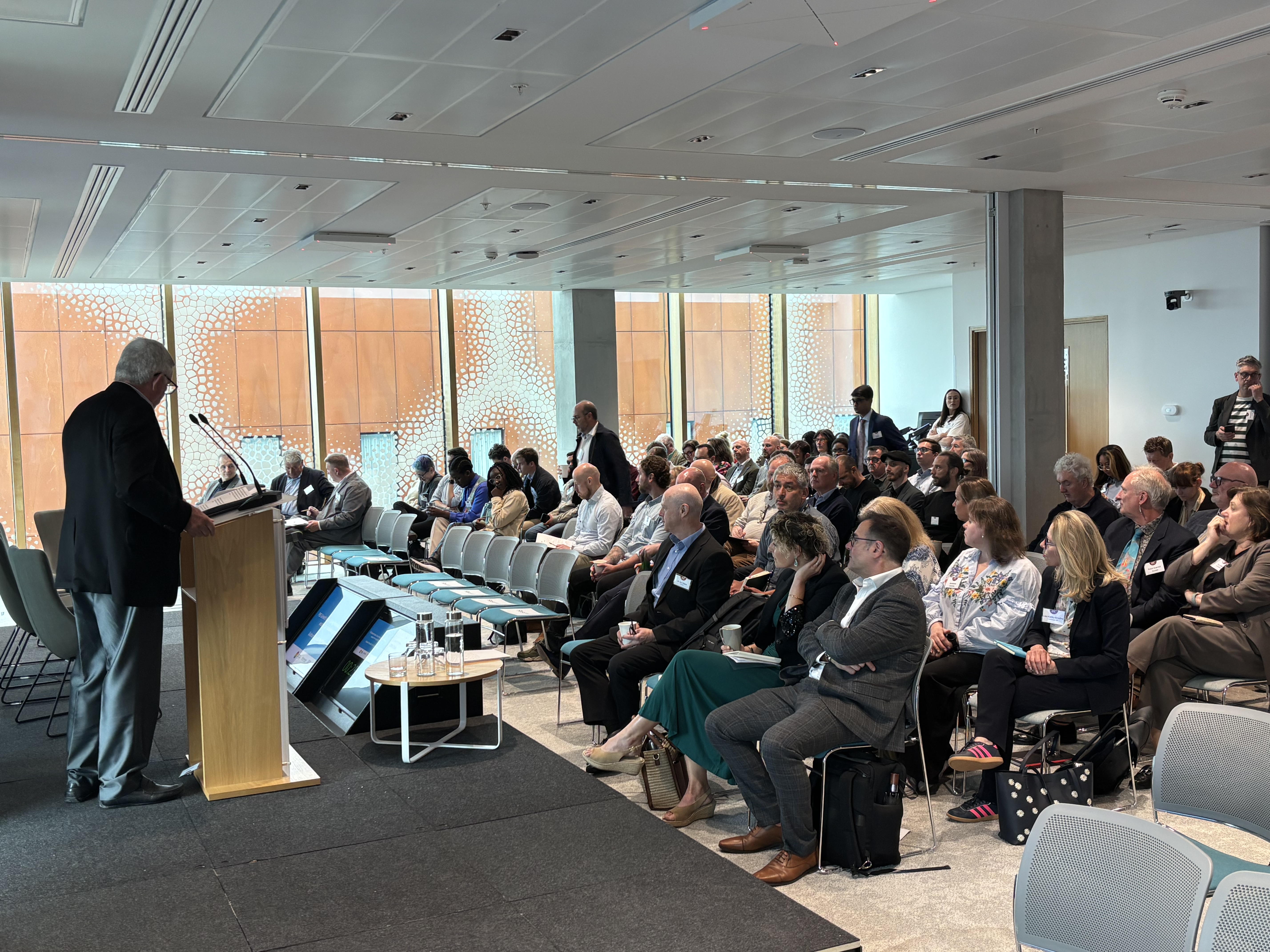
Cabinet Member for Business, Investment and Trade Cllr Mike Wharton explains why slashing licensing red tape presents a huge opportunity for the Liverpool City Region

Bold Street, Liverpool, has long been a hospitality hotspot
Liverpool has long been a beacon of music, nightlife, and cultural dynamism – but it’s not just about having a good time.
The night time economy is one of the Liverpool City Region’s biggest economic engines, generating £1.6bn a year and supporting more than 50,000 jobs. It’s also a major reason why more than 60 million people visit the city region every year, driving our £6bn visitor economy. So sweeping changes to national planning and licensing laws announced by the Government this week are more than welcome – they’re essential.
Under a new National Licensing Policy Framework, the Government will finally slash the red tape that’s been suffocating hospitality startups and threatening long-standing venues with extinction. From cafes to clubs, bars to music venues, small business owners will now face fewer forms, faster approvals, and lower operating costs – removing the patchwork of rules that have too often stood in the way of growth.
This couldn’t come at a better time for our region.
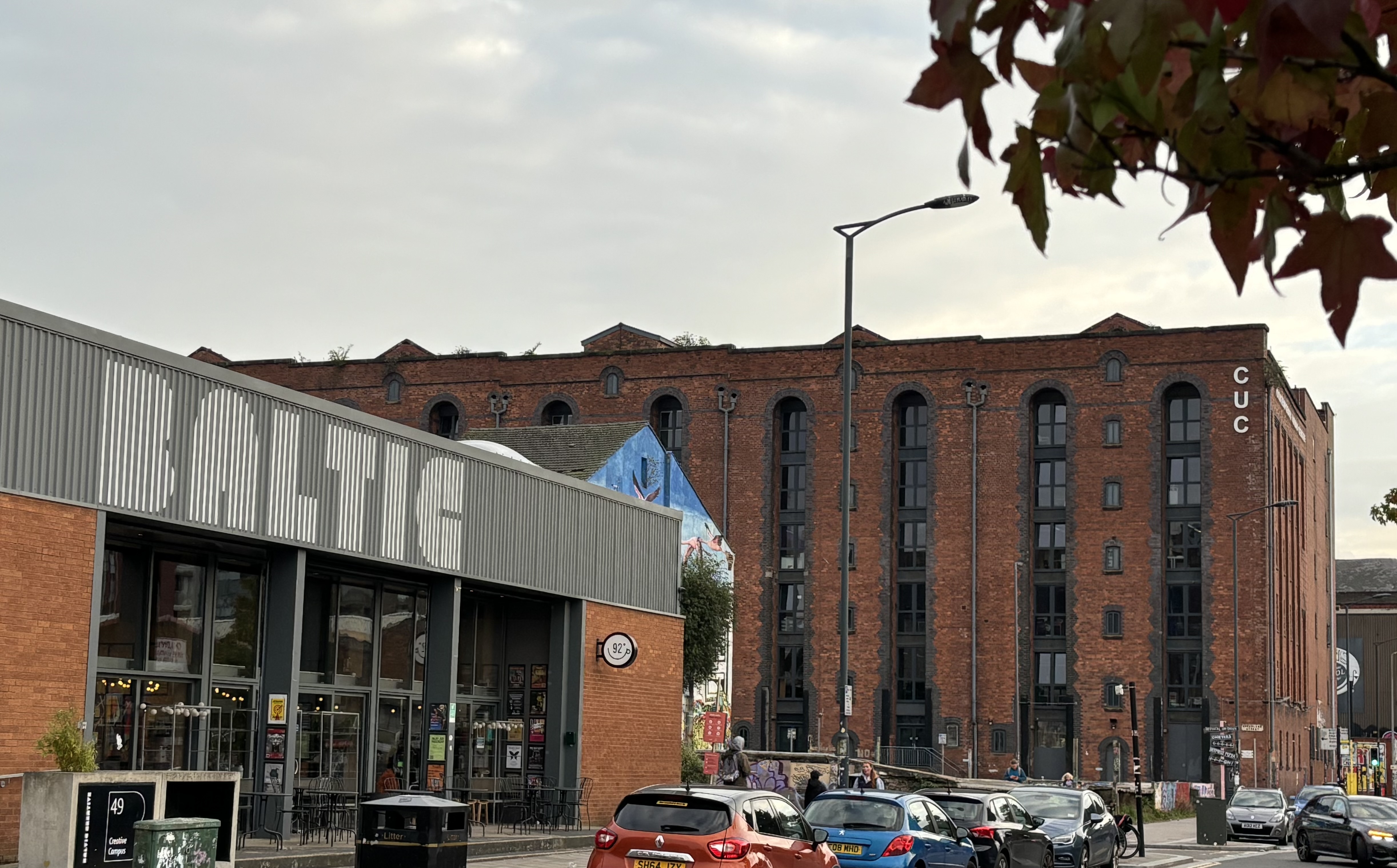
Liverpool’s Baltic Quarter has been transformed into a creative and cultural hotspot in recent years
The Baltic Triangle, one of the UK’s standout regeneration stories, transformed from a post-industrial wasteland into a creative, cultural hotspot, named 11th coolest neighbourhood in the world by Time Out in 2023. But its success brought challenges – as residential developments increased, so did noise complaints, threatening the very venues that made the area desirable. With the formal introduction of the ‘Agent of Change’ principle into national policy, that risk is now being flipped on its head. Developers, not venues, will be responsible for mitigating noise. This change will safeguard beloved institutions, not shut them down.
Equally exciting is the creation of new ‘hospitality zones’, where permissions for alfresco dining, street parties, and extended opening hours will be fast-tracked.
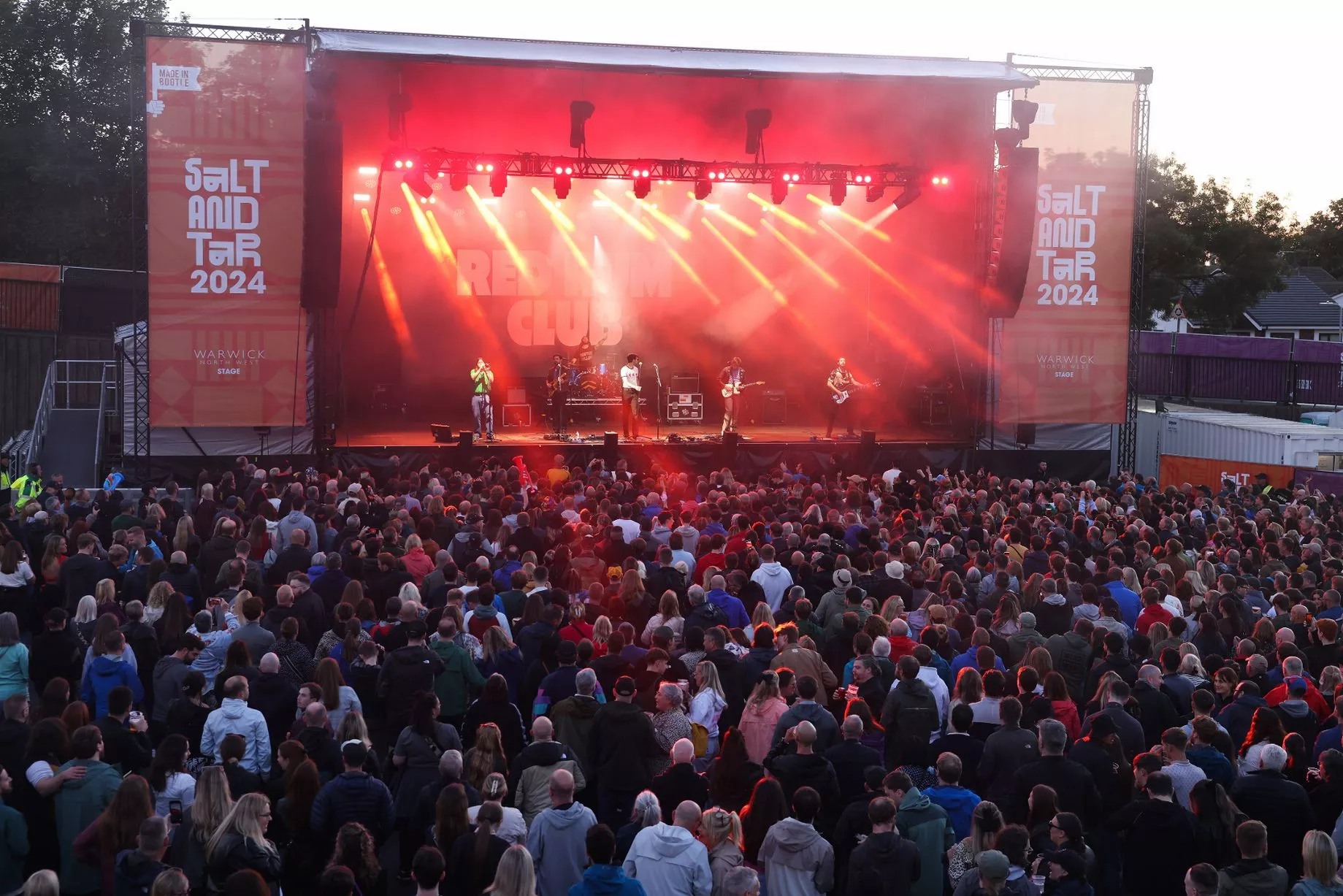
Red Rum Club performing at Salt and Tar, Bootle
This loosening of regulations could also see other areas of our city region follow the lead of Salt and Tar in Bootle. Sefton Council’s bold acquisition of The Strand Shopping Centre has seen the repurposing of a former vehicle depot into a permanent outdoor events venue – Salt and Tar – following a successful series of pilot events in 2023. In just 12 months, Salt and Tar has hosted 29 diverse events, including music, theatre, comedy, and cultural showcases. Highlights include a major music festival last summer headlined by Sir Tom Jones and Status Quo. With a capacity of up to 3,000 people, the venue has become a cornerstone of Bootle’s regeneration, injecting vibrancy and optimism into the community.

Sir Tom Jones at Salt and Tar, Bootle
This is also a major vote of confidence in small businesses. As part of the broader Small Business Plan, these licensing reforms will unlock the potential of the UK’s 5.5 million SMEs – a potential that’s abundant in Liverpool’s independent hospitality sector. Whether it’s a local entrepreneur turning an empty shop into a vinyl café or a community group organising a street event in a formerly empty high street, this plan removes the barriers and invites bold ideas to flourish.
The High Street Rental Auction Scheme is already paving the way for transformation, allowing councils to reclaim and repurpose vacant properties. Combine that with these licensing reforms, and the Liverpool City Region has a real chance to accelerate the reinvention of its town centres into thriving social spaces.
There’s still work to do, and consultation is on the horizon. But the message is clear: nightlife is not a nuisance – it’s an asset. And in Liverpool, where culture, community, and commerce go hand in hand, these changes will help take our night time economy to new heights.